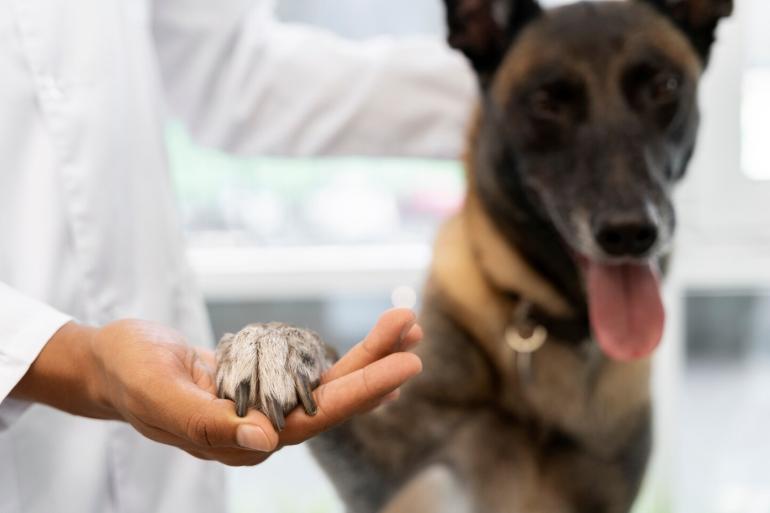
How lighting, noise control, space organization, and veterinary equipment directly influence animal recovery and wellbeing.
An animal’s recovery does not depend solely on clinical treatment. The environment in which that treatment takes place has a direct — and often underestimated — impact on the recovery process.
A well-structured environment can accelerate recovery, while a disorganized or stressful environment can compromise outcomes.
The environment as a clinical factor
During hospitalization or after a procedure, animals are in a vulnerable state. Any external stimulus can influence:
- Stress levels;
- Response to treatment;
- Behavior;
- Recovery time.
The environment is no longer just a detail — it becomes an integral part of clinical intervention.
Main factors that influence recovery
1. Lighting
Lighting should be carefully controlled.
- Excessively bright light can cause discomfort;
- Environments that are too dark may create insecurity.
Balance is essential, with preference given whenever possible to natural light or soft lighting.
2. Noise
Noise is one of the main stress factors in veterinary clinics.
Common sources include:
- Barking and vocalizations;
- Equipment;
- Constant movement.
Reducing noise contributes directly to a calmer and more stable environment.
3. Space organization
A well-organized space reduces negative stimuli.
It should ensure:
- Separation of areas (consultation, surgery, hospitalization);
- Clear workflows;
- Minimal crossing between areas.
Good veterinary hospital organization improves both recovery and operational efficiency.
The role of equipment in recovery
Veterinary equipment plays a fundamental role in animal comfort and safety.
1. Hospitalization cages
They should provide:
- Adequate space;
- Good ventilation;
- Comfort.
Stainless steel veterinary hospital cages ensure hygiene and stability.
2. Surfaces and furniture
Inadequate materials can create discomfort and make cleaning more difficult.
Stainless steel veterinary equipment allows for:
- Strict hygiene
- Easy maintenance
- A safer environment
Functional design and recovery
Good functional design in veterinary hospitals directly contributes to:
- Stress reduction
- Lower risk of infection
- Better animal monitoring
The way a space is designed directly influences clinical outcomes.
Benefits of an optimized environment
When the environment is appropriate:
- Animals recover more quickly
- There are fewer complications
- Teams work more efficiently
- Client experience improves
The clinical environment is not just support infrastructure — it is an active factor in animal recovery.
Investing in organization, comfort, and appropriate equipment means investing in better clinical outcomes.
GO BACK


