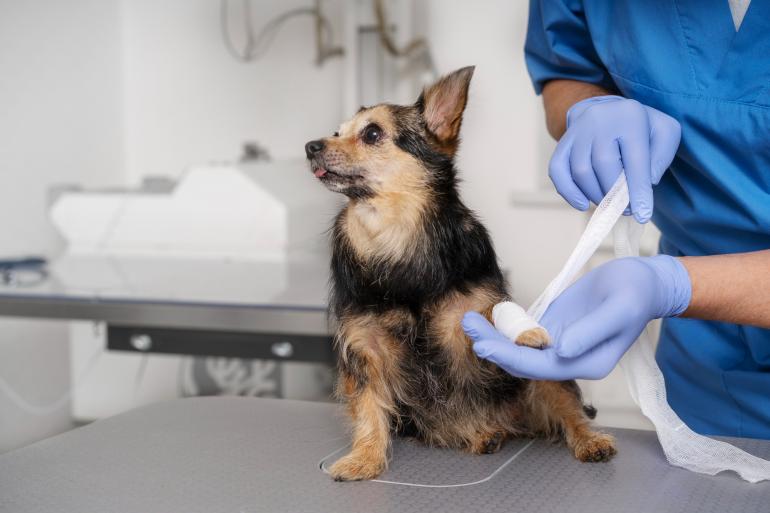
Learn the best hygiene practices for veterinary clinics and how to ensure infection control, safety, and regulatory compliance from day one.
Hygiene is one of the most critical pillars in a veterinary clinic. Beyond being a legal requirement, it is a determining factor for the safety of animals, staff, and pet owners.
Without infection control, there is no clinical quality.
The Importance of Hygiene in the Veterinary Context
Veterinary clinics deal daily with:
- Different species;
- Infectious diseases;
- Invasive procedures.
This significantly increases the risk of cross-contamination.
Veterinary Infection Control
Infection control must be structured and continuous.
It includes:
- Cleaning and disinfection protocols;
- Separation of areas;
- Staff training.
Prevention starts with organization and the right equipment.
Essential Equipment to Ensure Hygiene
- Veterinary Hospital Sinks
They should allow:- Frequent handwashing;
- Hands-free operation;
- Easy cleaning.
- Stainless Steel Surfaces
Stainless steel veterinary equipment is essential because it:- Does not accumulate bacteria;
- Is easy to clean;
- Resists chemical products.
- Functional Furniture
Poorly designed equipment makes cleaning difficult.
Furniture should allow easy access to all surfaces.
Space Organization and Hygiene
The clinic layout should prevent cross-contamination.
Best practices include:
- Separation of clean and dirty areas;
- Defined circulation paths;
- Minimization of crossflows.
Proper veterinary clinic organization is essential to ensure safety.
Common Mistakes
- Lack of cleaning routines;
- Use of inappropriate materials;
- Equipment that is difficult to sanitize;
- Lack of staff training.
These mistakes increase the risk of infection.
Impact of Good Hygiene Practices
When hygiene is properly implemented:
- Infection risks are reduced;
- Client trust increases;
- Team efficiency improves;
- Legal requirements are met.
Hygiene should not be seen as a task — but as an integrated system.
And that system begins with the choice of equipment and the design of the space.


